

The Allure of Gambling and Its Hidden Costs
The thrill of gambling in a casino environment often captivates individuals, drawing them in with the promise of instant rewards and entertainment. However, many players fail to recognize the hidden costs associated with this form of recreation. While the cost of betting chips or tokens appears clear, the true expenses extend far beyond simple wagers, especially when considering aspects like australian online casino instant withdrawal options that can affect overall spending. A deep dive into these costs reveals the nuances that can impact a player’s overall experience and financial health.
One of the most significant hidden costs is the emotional toll gambling can take on individuals. Many gamblers find themselves caught in a cycle of excitement followed by regret, leading to stress and anxiety. This emotional rollercoaster can have profound implications on personal relationships and mental well-being, often resulting in the need for therapeutic interventions, which add to the overall financial burden. Recognizing this emotional cost is crucial for anyone considering frequent visits to a casino.
Additionally, the time spent gambling is another hidden cost that is frequently overlooked. Hours can slip away in the blink of an eye while engaged in games of chance or skill, leading to lost productivity in both personal and professional spheres. This time investment could otherwise be spent on more fruitful activities, such as pursuing hobbies, developing skills, or even spending time with loved ones. The lost opportunity for personal development is a significant, yet often disregarded, expense associated with gambling.
The Impact of Casino Amenities on Gambling Costs
Crowded casino floors, vibrant lights, and an intoxicating atmosphere create an environment designed to keep players engaged. However, the amenities provided by casinos can significantly amplify the hidden costs of gambling. From complimentary drinks to lavish buffets, casinos entice patrons to stay longer, which often leads to increased gambling expenditures. These enticing offers can mask the reality of how much money is being spent over time, further complicating the evaluation of one’s financial situation.
Moreover, the availability of high-stakes games and exclusive lounges can create an environment where players feel pressured to gamble more than they initially intended. The allure of exclusive access often lures individuals into spending beyond their limits, as the gambling experience becomes intertwined with status and social dynamics. Such pressure can lead to misguided self-assessment and a distortion of one’s financial boundaries.
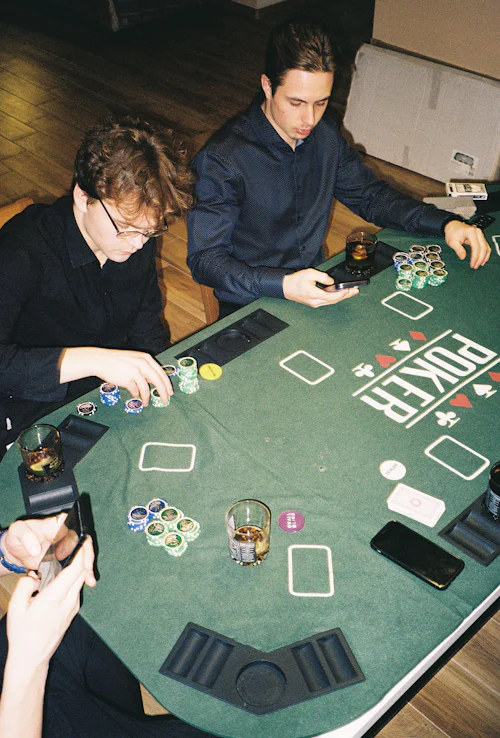
Furthermore, the sheer architectural design of casinos can influence decision-making. For instance, the layout of gaming tables and slot machines is meticulously planned to encourage players to explore and gamble more. The absence of clocks and windows gives an illusion of timelessness, contributing to longer gambling sessions that accumulate additional costs. Players often leave a casino without fully comprehending how much they have spent, revealing another layer of hidden financial repercussions.
The Role of Promotions and Loyalty Programs
Casinos frequently offer promotions and loyalty programs to attract and retain players. While these initiatives can seem beneficial, they often come with strings attached that amplify the hidden costs of gambling. Many players may feel compelled to gamble more to achieve rewards or bonuses, leading to excessive spending. The allure of getting extra chips or entry into exclusive events can cloud judgment, resulting in unintended financial strain.
The psychology behind these promotions plays a vital role in altering a player’s perception of costs. For example, a gambler may perceive themselves as ‘winning’ when redeeming points for free play. However, this perception can obscure the losses incurred in the process of earning those points. Ultimately, gamblers must critically evaluate the true cost versus perceived value that promotions offer to avoid falling into the trap of inflated spending.
Additionally, loyalty programs often create a false sense of security. Players may believe they are enticed by getting more for less, yet the reality is that such plans often lead to increased playtime and, consequently, increased losses. Understanding the mechanisms of these programs is essential for gamblers who wish to maintain control over their finances while enjoying the casino experience.
The Risks of Impulse Gambling
Impulse gambling is another hidden cost that can derail a player’s financial stability. The design of casinos often encourages spontaneous decisions, leading individuals to wager more than planned. Bright lights, vivid sounds, and a continuous flow of activities create an atmosphere that can provoke impulsive behavior, making it challenging to adhere to pre-set budgets or limits. This unpredictability can have severe financial consequences.
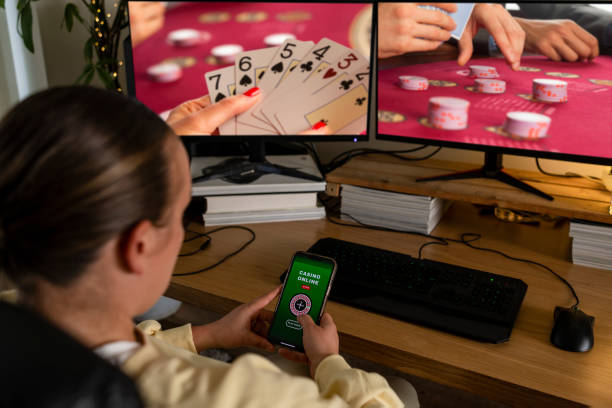
The effects of impulse gambling can ripple outward, affecting not just the individual but also their families and communities. When a player makes impulsive decisions, they may deplete their savings, incur debt, and even engage in dishonest behaviors to fund their gambling habits. These actions can create a cycle of dependency that is difficult to break, highlighting the urgent need for awareness and self-control in the casino environment.
Moreover, educational resources and support systems are essential in combating the negative impact of impulse gambling. Many casinos are beginning to recognize their responsibility in promoting responsible gambling practices. However, players must also take proactive steps to understand their gambling behaviors and seek help when needed, reasserting the importance of personal accountability in recognizing hidden gambling costs.
Understanding the Overall Cost of Casino Gambling
When navigating the complex world of gambling, it is crucial to understand the holistic costs involved. Beyond the immediate expenses of chips or entry fees, individuals must consider the emotional, psychological, and social implications of their gambling habits. A comprehensive assessment can help players realize the true cost of their casino visits and inform their future gambling decisions.
Responsible gambling practices, including setting limits and taking breaks, can mitigate the financial pitfalls associated with the allure of casinos. Players should prioritize awareness of their spending and reflect on their motivations for gambling. By doing so, they can better navigate the intricate web of costs that accompany gambling and make informed choices that align with their financial and personal goals.
Ultimately, understanding the hidden costs of gambling in a casino environment requires vigilance, education, and a commitment to responsible gaming. Resources and support groups can provide valuable guidance to those who find themselves facing the consequences of unnoticed charges. Acknowledging these hidden costs can transform a gambling experience into one that is enjoyable and sustainable, rather than detrimental.